Chaharshanbe Surí
A few days before Nowruz, the Chaharshanbe Surí takes place, which is celebrated on the last Wednesday of the year.
From the Iranian year, that is, March. The division of the day in the Persian tradition does not occur at midnight as in Western culture but at sunset. And that means, late afternoon. Many fires are lit in the streets during this festivity since it symbolizes goodness and it is through it that the Iranians want to take the step towards the new year. In addition, according to tradition, the spirits of the dead visit the living on the last day of the year. Some people dress in shrouds to represent these visits. The children go from door to door asking for aguinaldos (treats) and walk through the streets making noises to scare away bad luck.
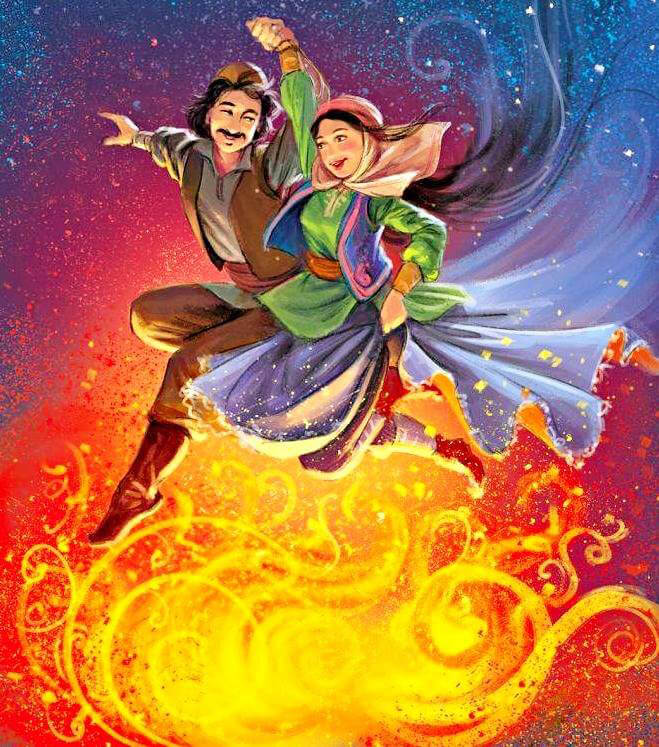
If Nowruz is the equivalent of Easter, Chaharshanbe Suri, in many ways is the equivalent of Halloween.
Chahar-Shanbeh means Wednesday and Suri means both ‘Red’ and ‘Celebration’. In this “red celebration” which takes place on the last Wednesday of the solar calendar, people go out and make bush fires and keep them burning till the next morning.
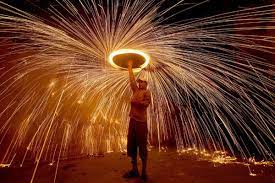
This is symbolic of burning all that was bad – pain, unhappiness, sickness and worry – and looking forward to a new beginning.
People jump over the fires singing the traditional song Sorkhi-ye to az man. Zardi-ye man az to which means: “Your burning red color shall be mine. My sickly yellow paleness shall be yours.” The night skies are lit up with a dazzling display of fireworks.
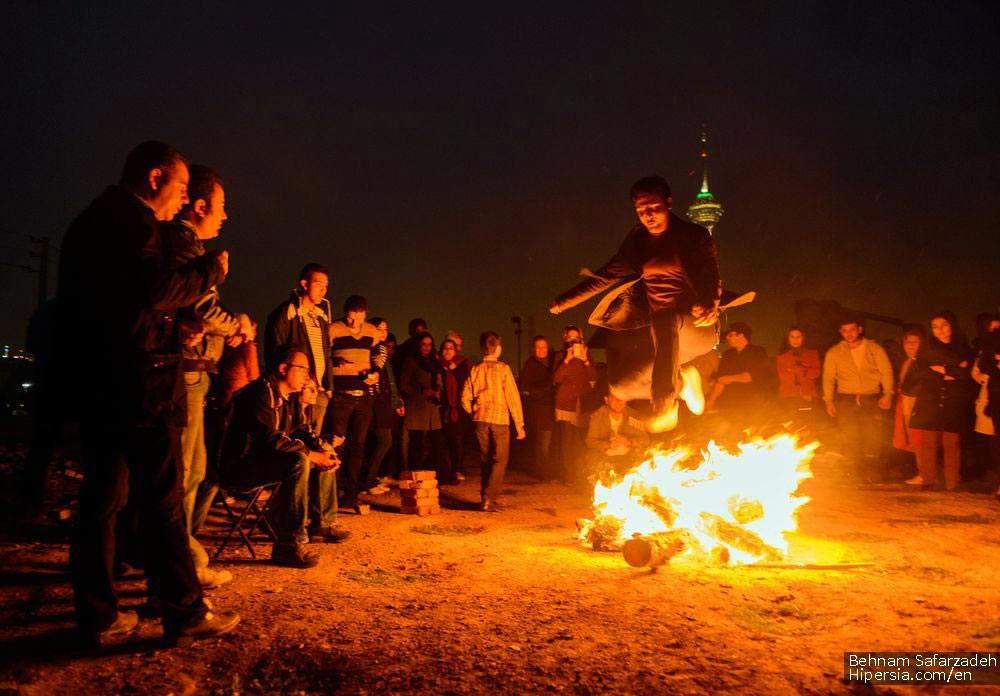
Banging spoons, preparing delicious nutmeats and children going from house to house collecting money and sweets are some other rituals of Chaharshanbe Suri that are similar to Halloween. Happening somewhere in March, the Festival of Fire sees bonfires sprouting up in various public areas and parks.
