Renewable Energy
The Energy sector in Iran is a dynamic and growing industry that plays a crucial role in the country's economy and global energy market. In order to enhance energy security by diversification of energy sources, optimum use of regional resources, develop remote areas, and create new jobs, there is a necessity to allocate an appropriate share of the country’s basket to renewable energy.
The Ministry of Energy of Iran, as the governing body, is responsible for all issues related to electricity and renewable energies, such as developing, planning, organizing, legislating and implementing policies and initiatives related to renewable energy.
Wind Energy
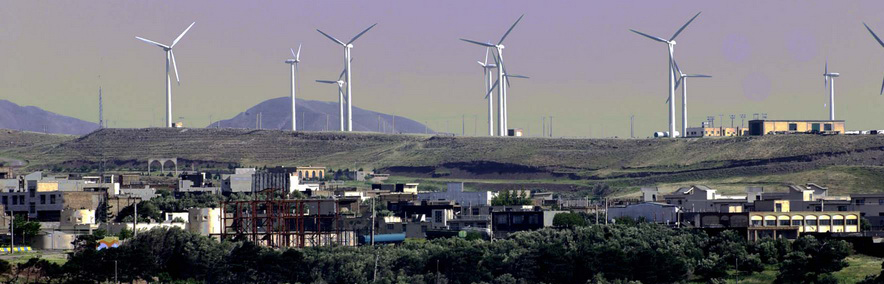
Wind energy is produced by generating electrical energy from wind or airflow, which occurs naturally in the earth’s atmosphere, with windmills or wind turbines. Wind energy usage in Iran goes back to windmills in 200 BC.
Currently, wind power has been more economical and applicable than other renewable energy sources and more focus has been on the development of the wind turbines industry in the world. Iran’s electricity capacity is high and this can help to increase the share of wind energy in the total primary supply of energy. The country’s electricity demand is growing rapidly due to economic and population growth.
Hydroelectric Energy
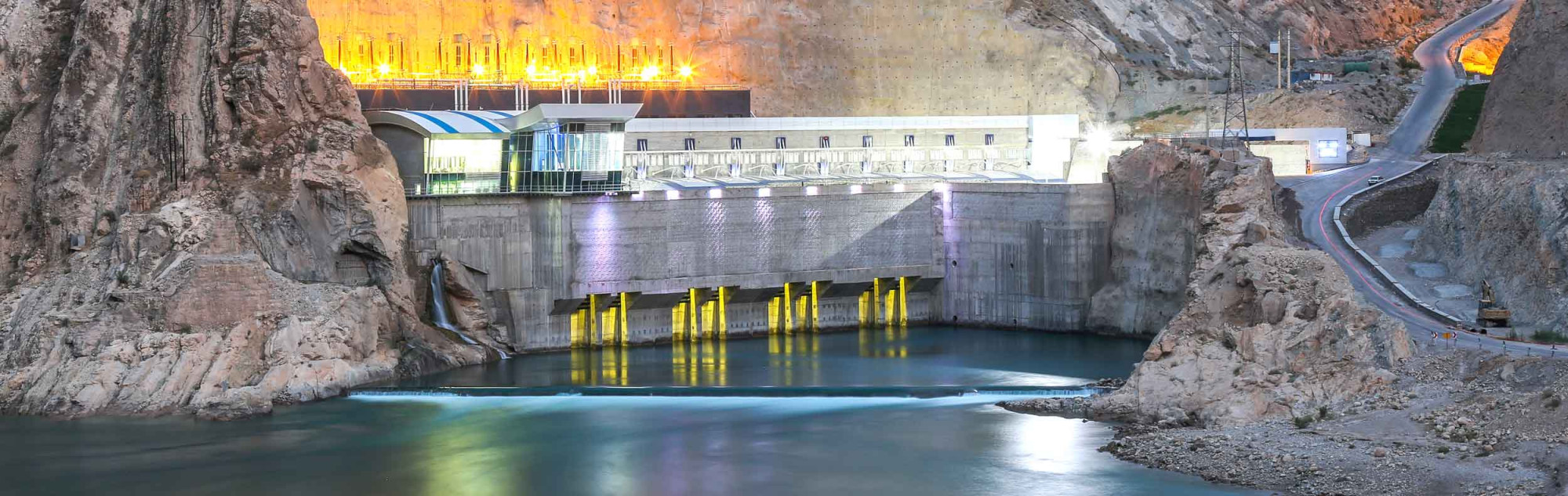
With average rainfall one-third of the global average, Iran is one of the top arid and semi-arid countries in the world. Accordingly, the inadequate temporal and spatial distribution of rainfall is perhaps the most important reason to build dams in Iran. Hydroelectric facilities in Iran are more than centers for producing renewable energy. Hydroelectric dams also play an important role in socio-economic development, such as irrigating agricultural fields, providing adequate water supply, especially during drought seasons, controlling the situation during the monsoon period and the improvement of major waterways.
Solar Energy
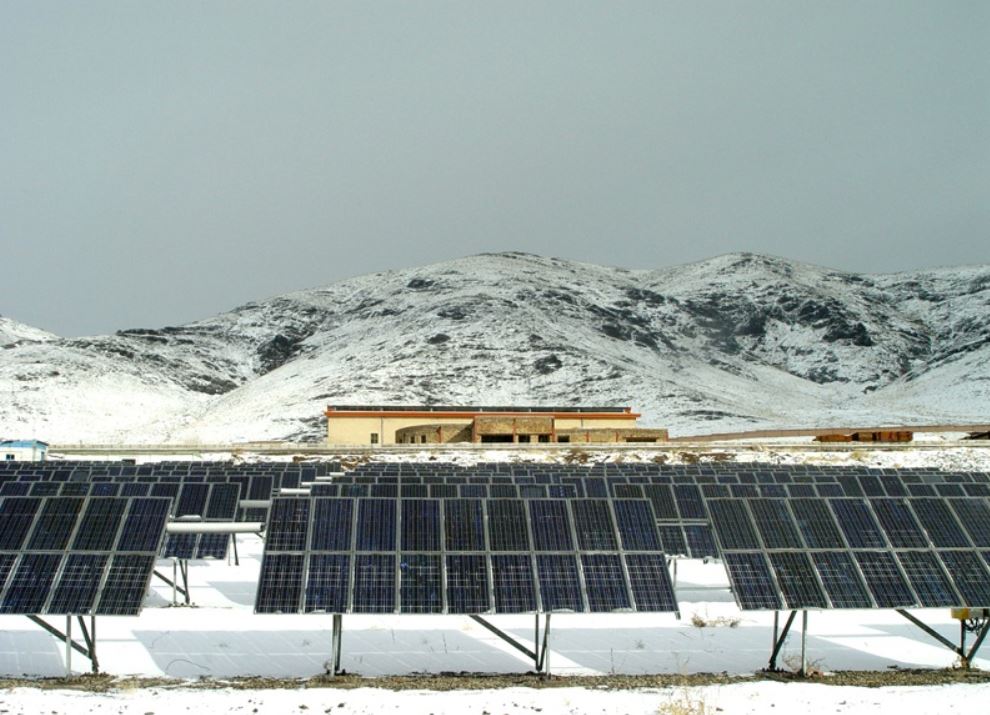
Solar energy is the world’s largest clean energy source. Iran is a rich country in solar energy. Regarding sun as a source of energy, the country's climate and geography are also very favorable, as it has about 300 days of sunshine per year, enabling the country to install and utilize solar power plants to meet the electricity demand of the country.
Iran can access sustainable, clean and renewable energy sources. It is logical that fossil fuels have better and more valuable applications than heating and lighting. Therefore, Iran has acceptable and compelling incentives to pursue renewable and sustainable options, although it remains a leading exporter of crude oil and is exploring and developing new oil fields.
Today, the driving force of economic activities in most countries is the energy security and ease of access to it. Iran is one of the major countries holding major energy resources. The Energy sector in Iran is a dynamic and growing industry that plays a crucial role in the country's economy and global energy market. With a well-developed infrastructure, a skilled workforce, and a commitment to sustainable and responsible practices, the sector is poised for continued success in the years to come. Despite the challenges posed by international sanctions, the sector has remained resilient, and the government of Iran is taking steps to increase efficiency and competitiveness, positioning the country as a major player in the global energy landscape.
For additional details on energy sector of Iran, please refer to the PDF document below, which has been provided by Tehran Chamber of Commerce, Industries, Mines & Agriculture.
Download: Iran Energy Sector Guide (PDF)

Furthermore, for information about investment opportunities in this sector in Iran, be sure to visit the website of Organization for Investment, Economic and Technical Assistance of Iran, where you will find detailed information and resources to help guide your investment decisions.
