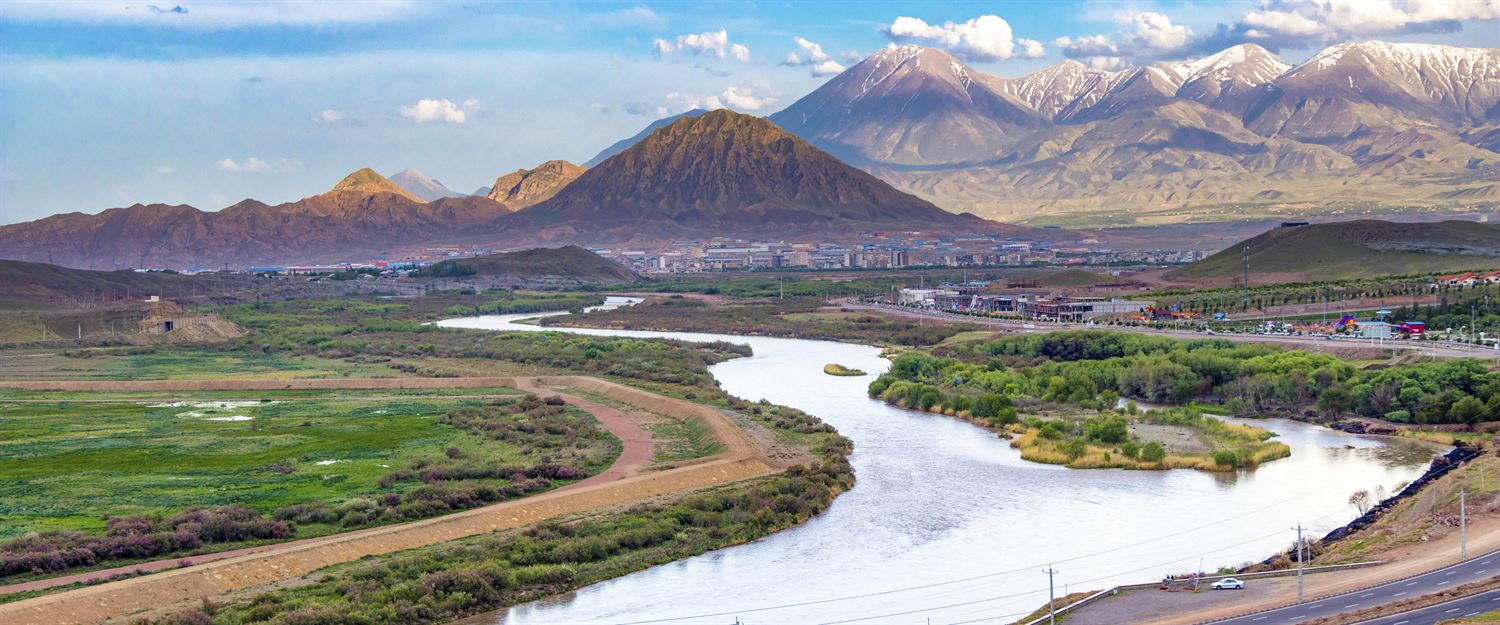
Free Trade and Industrial Zones
Free Zones are geographical boundaries which are often established in the vicinity of borders and customs port of entry to support domestic industry and facilitate the import, export, and transit of goods, and impose simpler customs formalities than the mainland. Those Zones are out of the scope of many mainland laws and, because of the facilities, possibilities, exemptions and privileges provided for them, are in a position to provide a good platform for producers of export goods, traders and transit industry activists.
The Free Zones are governed by their own rules, which have been approved by the Cabinet of Ministers. Tax exemptions, exemption from bank interest and customs duties, lack of administrative and foreign exchange formalities, as well as ease of export and import processes which ultimately lead to the attraction of foreign capital are the most important features of the Zones.
Free Trade-Industrial Zones are under the supervision of the Free Trade-Industrial Zones Organization and the powers of the decision-making organizations in the mainland are delegated to this organization in the Zones.
Following the approval of the first social, economic and cultural development plan of the Islamic Republic of Iran and the agreement of the Parliament on the basis of Note 19 of this Plan, the three Free Trade-Industrial Zones of Kish, Qeshm and Chabahar commenced their activities respectively in 1989, 1990 and 1991. The law on establishment and managing of the Zones was adopted by the Parliament in September 1993, and over time other zones joined the collection of the Free Zones. Arvand, Aras, Maku, Bandar Anzali and Imam Khomeini Airport Free Trade-Industrial Zones have been included in the list of Free Zones during the past years.
The main focus in the development of these Zones is to encourage industrial exports, attract foreign capital and technologies, strengthen transit channels and empower the Country's position in the field of international trade.
Advantages of investment and activity in the Free Trade and Industrial Zones of Iran
The management of each free zone is the responsibility of a single organization, called the Free Zone Organization, and this makes the conditions and process of investment and business establishment in the free zones of Iran much faster and easier than the mainland. Some advantages of investment in the Free Zones of Iran include the following:
- Possibility of registration and 100% ownership of the company by individuals or companies with non-Iranian citizenship
- Complete freedom in the entry and exit of capital and profits derived from economic activities
- Special logistics access to Asian and European transit channels
- Exemption from customs duties for the importation of raw materials and industrial machinery for production units
- Custom exemptions and simpler formalities in the export and re-export of goods
- Exemption from paying income and asset tax for 20 years from the date of establishment
- Easy issuance of visas for foreign nationals working in the Zones
- Compliance with the labor laws for the Free Trade and Industrial Zones, which are different from the laws of the mainland
- Enjoyment of flexible banking and monetary services and easy currency exchanges through Iranian banks and their branches in the Zones and foreign countries
Kish, Qeshm, Chabahar, Aras, Bandar Anzali, Arvand, Maku and Imam Khomeini International Airport city currently constitute eight Free Trade-Industrial Zones of Iran.
In addition to the above- mentioned generalities and goals, each of the Zones, according to their geographical, climatic and social characteristics, pursue their own particular objectives and missions, which are outlined on the dedicated page of each Zone on the website of https://freezones.ir/en
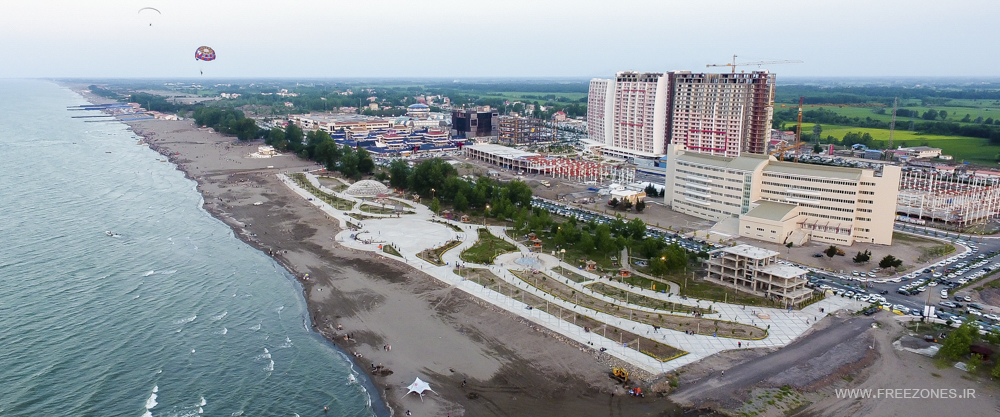
Special Economic Zones of Iran
According to the text of the law, a Special Economic Zone is defined as follows: "A specific geographical boundary in which the customs laws of the country are not enforced; and is established with the purpose of facilitating the import and export of goods, and supporting domestic industries as well as attracting new technologies for production and regional development activities at the customs entries/exits and border points of the country, is called a Special Trade-Industrial Zones."
Also, in paragraph "d" of Note 25 of the Law on the Second Five-Year Plan for Economic, Social and Cultural Development of the Islamic Republic of Iran, adopted in 1993, stipulates:
"To support domestic production and development of non-oil exports and to mobilize the regional economy, the government may establish special protected zones at entry points or domestic customs. The importation of goods from the mentioned zones, for domestic consumption, shall be subject to export and import regulations, and the export of goods from these zones shall be done without any formalities.
Since the First and the Second Development Plans refer to the Zones as "customs protected areas", the Supreme Council chose the title of "Special Economic Zone", in 1995, for these Zones, to clarify ambiguities.
Free Trade and Special Economic Zones play an important role in promoting economic growth and attracting foreign investment in Iran. Here are some key features of free trade and special economic zones in Iran:
Relaxed Regulations: Regulations in free trade and special economic zones are often less restrictive than in other parts of the country, making it easier for businesses to operate and grow. This includes fewer restrictions on business activities, trade, and investment.
Improved Infrastructure: Free trade and special economic zones in Iran are typically developed with high-quality infrastructure, including transportation links, utilities, and telecommunications services. This infrastructure provides businesses with a supportive environment in which to grow and succeed, making it easier to start and grow a business.
Access to Markets by Special logistics access to Asian and European transit channels: Free trade and special economic zones offer businesses access to new markets, both domestically and internationally. This provides businesses with the opportunity to reach new customers and expand their reach, helping them grow and succeed.
Government Support: The government of Iran is supportive of free trade and special economic zones, providing funding and other forms of support to help these organizations succeed. This includes tax incentives, investment guarantees, and other forms of support that help businesses grow and succeed.
Attracting Foreign Investment: By providing a favorable business environment and access to markets, free trade and special economic zones in Iran can help attract foreign investment. This investment can help drive economic growth, create jobs, and improve the standard of living for the local population.
Free trade and special economic zones play an important role in promoting economic growth and attracting foreign investment in Iran. With tax exemption, relaxed regulations, improved infrastructure, access to markets, and government support, free trade and special economic zones are poised to play a significant role in driving economic growth in the years to come. By attracting foreign investment and promoting economic development, free trade and special economic zones can help build a stronger, more prosperous Iran.
For more information and in-depth insights into the benefits of investing in free trade and special economic zones in Iran, click here, where you will find detailed information and resources to help guide your investment decisions.
Investment Opportunities in Free Trade Zones
You can find the latest version of information on 701 investment packages in Iran's free zones With a capacity of over 15 billion dollars in the links below:
►https://opportunity.freezones.ir/en/investments/
►https://freezones.ir/uploads/images/gallery/Oprt-en.pdf
